Insights & cases: Case

Early detection prevents unplanned downtime at a paper mill

At a paper mill in the United States, an operator had been running i-BRUSH on a large motor for over a year. During normal operation, the system began to register a gradual increase in current spikes—an early indication that conditions in the brush–ring interface were starting to change.

Throughout operation, i-BRUSH continuously monitored the electrical behavior in the brush–ring interface. The gradual increase in current spikes indicated that the contact conditions between the brushes and the slip ring were evolving, even though no visible symptoms or operational disturbances had yet occurred. The data provided a clear early warning that something in the system required attention.

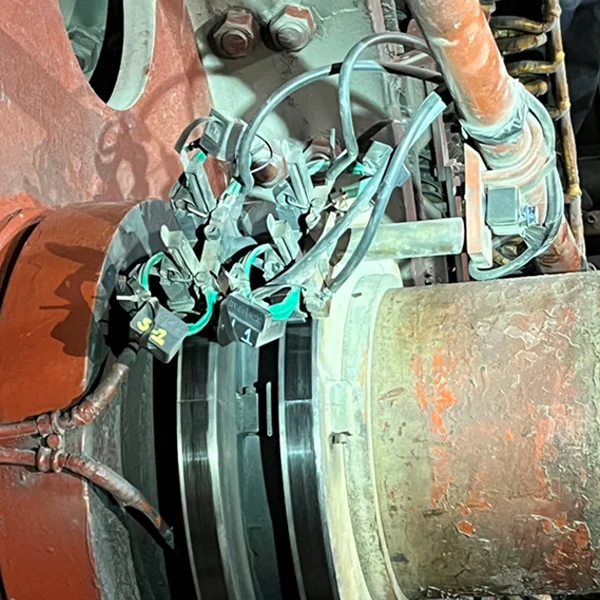
Rather than waiting for the problem to escalate, the team acted on these insights and scheduled a quick inspection, instead of reacting to a failure. The inspection results confirmed the i-BRUSH analysis. Both the brushes and the slip ring were showing clear signs of wear, validating that the increase in current spikes was directly linked to changes in the interface.
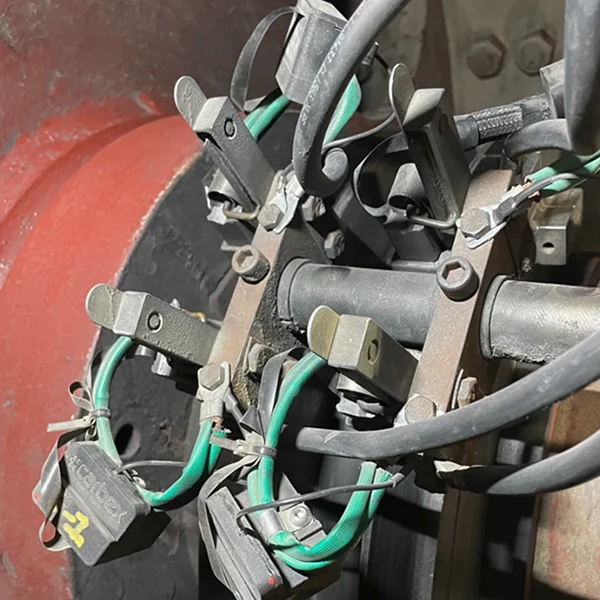
Because the issue was identified at an early stage, maintenance, consisting of machining the ring and reseating the brushes, could be planned and carried out during a scheduled shutdown. This enabled a shift from reactive troubleshooting to a more controlled and predictable maintenance approach.

In the paper mill industry, where production is continuous and highly sensitive to interruptions, unplanned downtime has a significant financial impact. A full shutdown can cost anywhere from several hundred thousand to millions of dollars per day, depending on the size of the mill and its production output.

Avoiding even a single unexpected stop can therefore represent substantial savings.
Facts

Continuous condition monitoring

i-BRUSH continuously monitors the slip ring unit in real time, detecting even subtle changes in operating conditions. Configurable warning and alarm limits adapted to the monitored installation.

Early spark and current spike detection CarbSpark®

Identifies early signs of wear and instability through increased current spikes—before they develop into critical issues.

Actionable insights for maintenance

Time to maintenance (TTM) function, enabling maintenance teams to plan and act at the right time. Not to early – Not too late.

Designed for critical operations

Built for industries like mining, paper- and steel mills, where reliability and continuous production are essential.

Want to know more?

Insights & cases

Products & innovation

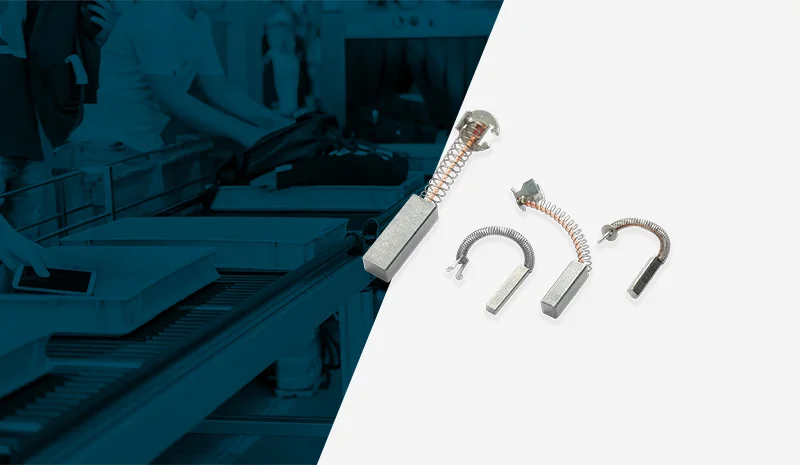
Reliable signal transmission for luggage inspection systems

In today's security-driven world, even the smallest signal deviation in luggage inspection can have serious consequences. At Carbex, we supply the silver carbon brushes that leading manufacturers trust to get it right.
Company news

Carbex & Helwig Carbon Products launch strategic partnership

A new partnership between Carbex and Helwig Carbon Products strengthens North American aftermarket operations for the i-BRUSH monitoring system and expands local manufacturing and service capabilities.
Monitoring

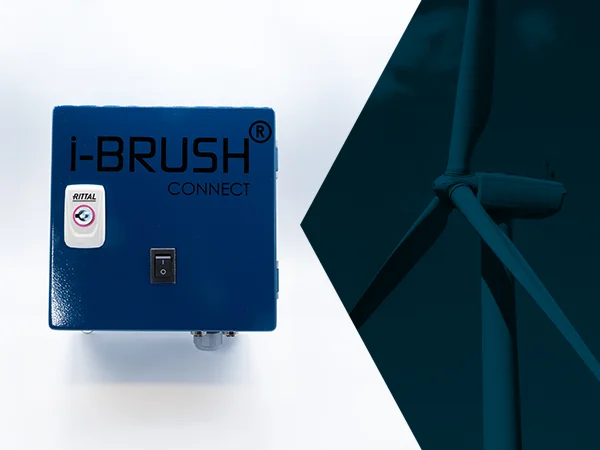
Performance you can trust. Results you can measure.

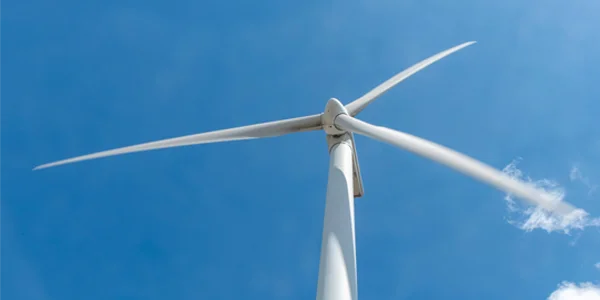
In wind energy, reliability isn’t optional—it’s critical. Every unplanned stop leads to lost revenue, increased maintenance costs, and operational uncertainty. i-BRUSH Connect changes that.
Sustainability

Powered by renewable electricity

At Carbex, sustainability is an integral part of how we operate and develop our business. As part of our commitment to reducing our environmental impact, all electricity used in our operations is sourced from 100% renewable electricity through certified suppliers.
Monitoring

Boost Reliability in Your Hydropower Plant

Small and medium-sized hydropower plants are under growing pressure to deliver consistent, efficient, and cost-effective energy, often with limited resources in terms of time, personnel, and maintenance capacity.
Case

Early detection prevents unplanned downtime at a paper mill

At a paper mill in the United States, an operator had been running i-BRUSH on a large motor for over a year. During normal operation, the system began to register a gradual increase in current spikes—an early indication that conditions in the brush–ring interface were starting to change.

Contact us

This field is for validation purposes and should be left unchanged.